
Electric Vehicle Battery Maintenance – How to Maximize Your EV's Performance in Oman
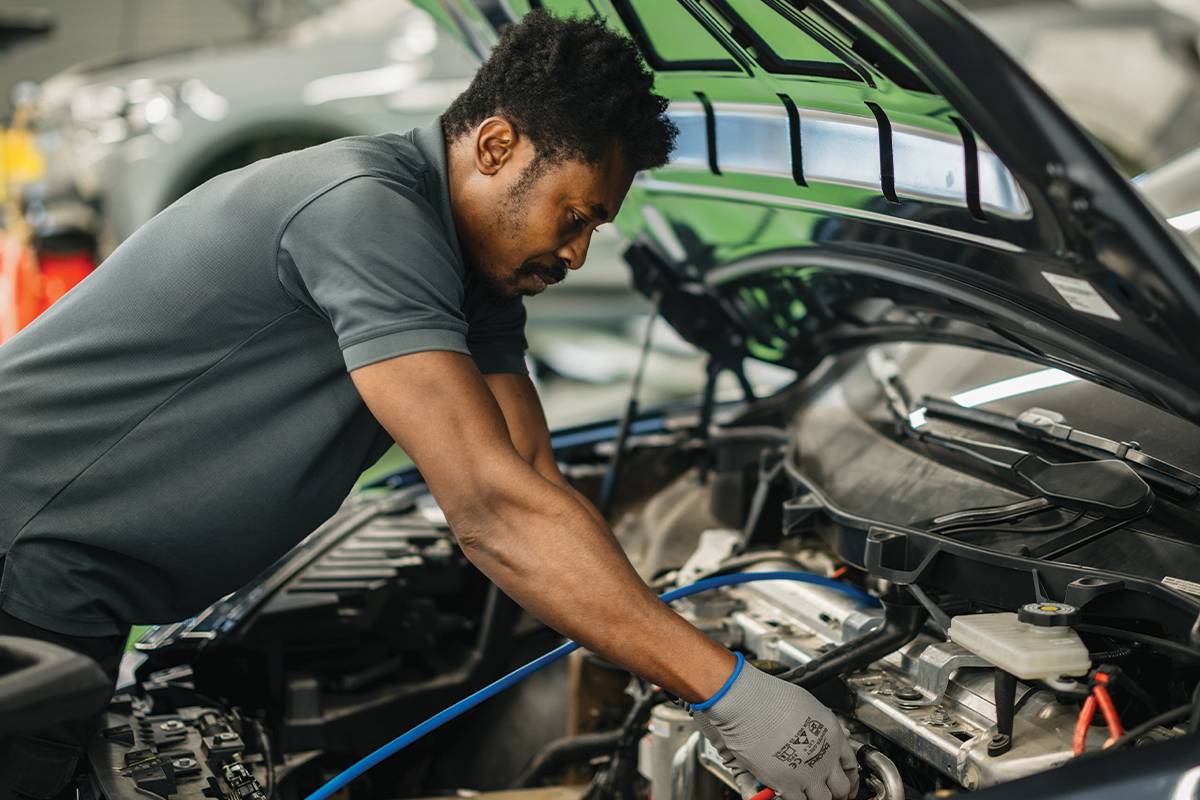
Electric vehicles (EVs) are revolutionizing the way we drive in Oman, offering a cleaner, more efficient alternative to traditional gasoline-powered cars. At the heart of every EV is its battery, which plays a critical role in determining performance, range, and overall longevity. Unlike conventional fuel engines, EV batteries require specific maintenance practices to keep them running efficiently for years.
Understanding EV battery maintenance tips, knowing how to extend EV battery life, and following the best practices for electric car batteries can help you maximize efficiency while avoiding costly replacements. In this guide, we’ll explore essential maintenance strategies to keep your EV battery in top condition for as long as possible.
Why EV Battery Maintenance Matters
The battery is the most expensive and essential component of an electric vehicle. Keeping it in optimal condition ensures better mileage per charge, longer lifespan, and reduced long-term costs. Proper maintenance not only extends battery health but also enhances the driving experience, preventing sudden efficiency drops and unexpected failures.
The Role of Battery Degradation in EV Performance
Over time, EV batteries naturally degrade, leading to a reduction in their capacity to hold a charge. This degradation occurs due to repeated charging and discharging cycles, exposure to extreme temperatures, and high-speed charging practices.
Factors like heat, deep discharges, and overcharging can accelerate battery degradation, leading to shorter driving ranges and reduced overall efficiency. While degradation is inevitable, following best practices can significantly slow down the process, keeping your EV battery functioning efficiently for years.
Best Practices for Maintaining Your EV Battery
Proper maintenance habits can increase battery longevity and ensure consistent performance. Whether it’s charging methods, climate control, or software updates, small adjustments can make a big difference.
Optimal Charging Habits
How you charge your EV plays a vital role in its long-term battery health. Unlike gasoline engines that need regular refueling, EV batteries benefit from a controlled charging strategy.
It’s recommended to keep your battery’s charge between 20% and 80% rather than frequently charging it to 100%. Overcharging stresses the battery cells, causing them to degrade faster. Similarly, allowing your battery to drop below 10% frequently can cause long-term damage.
Another important factor is balancing slow charging vs. fast charging. While fast chargers offer convenience, they generate excessive heat, accelerating battery wear. Whenever possible, use Level 2 home chargers for regular charging needs, saving fast chargers for long trips or emergencies.
Managing Temperature and Climate Effects
Extreme temperatures—both hot and cold—affect EV battery efficiency. Batteries function best in moderate climates, but excessive heat can cause thermal stress, while cold weather can reduce energy output and charging efficiency.
If you live in a hot climate like Oman, park your EV in a shaded or covered area to prevent overheating. Using pre-conditioning features can also help cool the battery before driving.
In colder regions, using a battery thermal management system (TMS) or preheating your car before driving can improve battery performance. Avoid charging your EV immediately after exposure to extreme cold, as it can reduce battery lifespan over time.
Avoiding Overcharging and Fast-Charging Risks
Fast charging is convenient, but using it too frequently can lead to battery degradation over time. Rapid charging generates higher internal temperatures, which can cause wear on battery cells.
To maintain battery health, try to limit fast charging to occasional use, relying on slow or home charging for daily needs. If fast charging is necessary, avoid charging up to 100%—instead, charge up to around 80%, which is enough for most trips without stressing the battery.
Regular Software Updates for Battery Management Systems
Modern EVs use battery management systems (BMS) to regulate energy consumption, optimize performance, and protect battery life. Automakers frequently release software updates to improve battery efficiency, charging speed, and thermal regulation.
Regularly updating your EV’s software ensures that you are benefiting from the latest performance enhancements and protective measures. These updates can extend battery life, improve energy regeneration, and even introduce new driving modes that optimize battery efficiency.
Common EV Battery Issues and How to Prevent Them
Even with careful maintenance, EV batteries can experience problems over time. Being aware of common battery issues and how to prevent them can help you avoid costly repairs.
Battery Swelling and Cell Imbalances
Battery swelling is a serious issue that occurs due to overheating, overcharging, or internal defects. If you notice a swollen battery pack or unusual changes in vehicle performance, it’s essential to seek professional maintenance immediately.
Cell imbalances, where some cells in the battery degrade faster than others, can also impact overall efficiency. Regular battery health checks help identify imbalances early, allowing for recalibration or repairs before they worsen.
Diagnosing Reduced Range and Efficiency Drops
A sudden drop in driving range or reduced efficiency could indicate battery health issues. This can be caused by excessive fast charging, exposure to extreme temperatures, or cell degradation.
If you notice a significant reduction in range, a professional battery diagnostic test can determine whether the issue is software-related or a sign of battery wear. Keeping track of changes in efficiency can help you take action before major repairs are needed.
How to Know When Your EV Battery Needs Servicing
EVs come equipped with onboard diagnostics that alert drivers to battery-related issues. Understanding these warning signs can help prevent further damage and extend battery lifespan.
Warning Lights and System Alerts
Modern EVs feature dashboard alerts that indicate potential battery health concerns. If you see a battery warning light, check your owner’s manual or consult a technician to diagnose the problem.
- Battery warning light on the dashboard
- Significant drop in driving range
- Longer than usual charging times
- Unusual noises or heat from the battery area
- Fluctuating range estimates
Unusual Charging Behavior and Power Drops
If your EV takes significantly longer to charge or experiences sudden power drops, these may be signs of battery wear or internal defects. Inconsistent charging times or fluctuating range estimates can indicate the need for a battery diagnostic test.
The Cost of EV Battery Maintenance and Replacement
Battery maintenance is relatively low-cost compared to gas-powered engine repairs, but replacement can be expensive. Understanding warranties and expected costs can help you plan for long-term ownership.
Understanding EV Battery Warranties
Most EV manufacturers offer battery warranties covering 8 years or 100,000 miles, protecting against premature failure. Some brands even provide extended warranties or guarantee a minimum battery capacity percentage.
Cost Estimates for Battery Replacements
If a battery replacement is needed, costs vary depending on the vehicle model and battery size. Replacing an EV battery can range from $5,000 to $20,000, with premium models on the higher end.
Conclusion – Keep Your EV Battery in Top Condition
Maintaining your EV’s battery is crucial for long-term performance, efficiency, and cost savings. By following best practices for electric car batteries, including optimal charging habits, climate management, and regular software updates, you can extend battery life and avoid expensive repairs.
FAQ
It is recommended to have your EV battery checked every 10,000–15,000 km or at least once a year. In Oman’s hot climate, more frequent checks help prevent heat-related degradation.
Look for reduced driving range, longer charging times, dashboard battery warnings, unusual heat, or sudden power drops. Visit EVS Oman for a professional diagnostic test.
Occasional fast charging is fine, but frequent use generates excess heat and accelerates degradation. Use Level 2 charging for daily needs and limit fast charging to 80% when possible.
EVS Oman provides professional battery diagnostics, software updates, thermal system checks, and preventive maintenance using manufacturer-approved tools at our Seeb workshop.
Need Professional EV Battery Service in Oman?
EVS Oman offers expert high-voltage battery diagnostics, software updates, thermal system checks, and preventive maintenance at our fully equipped Seeb workshop.
Book Battery Service or call +968 9759 1111