

Understanding the Importance of EV Diagnostics: What Every Owner Should Know
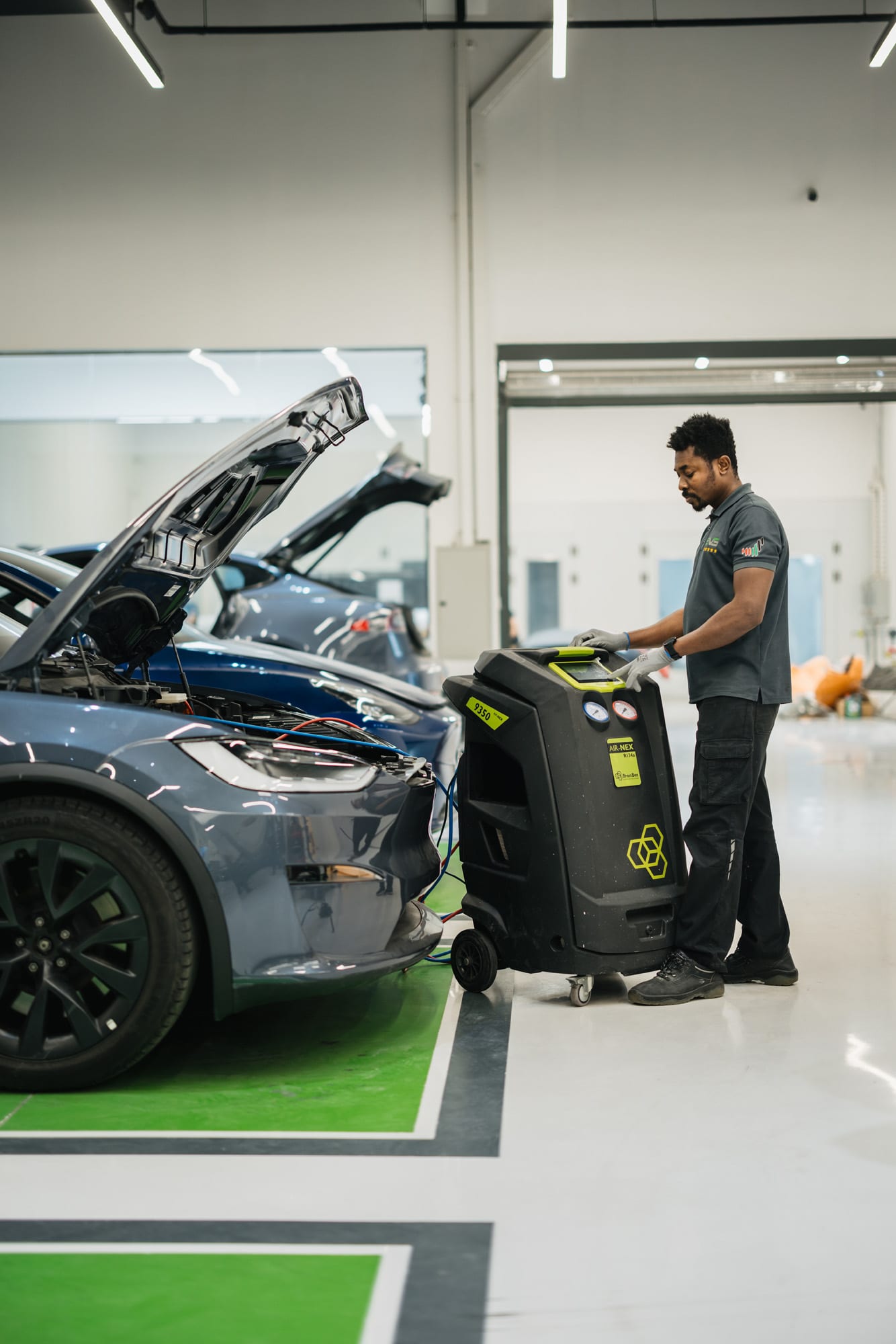
Understanding the Importance of EV Diagnostics: What Every Owner Should Know
Electric vehicles (EVs) are revolutionizing the automotive industry, providing a cleaner, more sustainable alternative to traditional gasoline-powered vehicles. However, like all vehicles, EVs require regular maintenance to ensure optimal performance and safety. One of the most crucial aspects of this maintenance is EV diagnostics. Understanding the importance of EV diagnostics is essential for every owner who wants to keep their vehicle running smoothly and efficiently.
What Are EV Diagnostics?
EV diagnostics refer to the processes and technologies used to assess the health and performance of an electric vehicle's systems. This includes checking various components such as the battery management system, electric drive unit, thermal management systems, and onboard software. The diagnostics process typically involves using specialized tools and software to read fault codes, monitor system performance, and identify potential issues before they escalate into serious problems.
Key Components of EV Diagnostics
- Battery Management System (BMS): The BMS is crucial for monitoring the state of the battery pack, ensuring it operates within safe parameters, and optimizing its performance. Diagnostics can detect issues like battery degradation or cell imbalances that could affect the vehicle's range and efficiency.
- Electric Drive Unit: This component is responsible for converting electrical energy into mechanical power. Diagnostics can identify faults in the drive unit, which could lead to performance issues or even complete failure.
- Thermal Management Systems: EVs rely on effective thermal management to maintain optimal battery and component temperatures. Diagnostics can help detect cooling system failures, which can lead to overheating and potential damage.
- Software and Firmware: EVs are equipped with complex software that controls various functions. Regular diagnostics ensure that the software is up to date and functioning correctly, preventing glitches that could affect performance.
Why Are EV Diagnostics Important?
Understanding the importance of EV diagnostics goes beyond just keeping the vehicle operational. Here are several reasons why regular diagnostics are essential for electric vehicle owners:
1. Preventative Maintenance
Regular diagnostics allow owners to identify and address potential issues before they become significant problems. By catching these issues early, owners can avoid costly repairs and downtime. For instance, if a diagnostic check reveals a minor battery imbalance, it can be corrected before it leads to more extensive battery damage.
2. Performance Optimization
EV diagnostics help ensure that all components are functioning at their best. This can lead to improved performance, including better acceleration, handling, and energy efficiency. For example, by regularly checking the electric drive unit's performance, owners can ensure that their EV maintains its responsiveness and efficiency.
3. Safety Assurance
Safety is paramount when it comes to vehicles. Regular diagnostics can identify safety-related issues, such as malfunctions in the thermal management system that could lead to overheating. Ensuring that all safety systems are functioning correctly is crucial for the safety of both the driver and passengers.
4. Battery Health Monitoring
The battery is one of the most expensive components of an electric vehicle. Regular diagnostics can help monitor its health and performance, providing insights into its state of charge, temperature, and overall condition. This information is vital for making informed decisions about battery maintenance and replacement.
5. Warranty Compliance
Many EV manufacturers require regular diagnostics as part of their warranty agreements. Keeping up with these checks ensures that owners remain compliant with warranty conditions, protecting their investment in the long run.
Current Trends in EV Diagnostics
As the electric vehicle market continues to grow, so do the technologies and methodologies used in EV diagnostics. Here are some of the current trends:
1. Advanced Diagnostic Tools
The evolution of diagnostic tools has significantly improved the accuracy and speed of diagnostics. Modern diagnostic equipment can provide real-time data and insights, allowing technicians to quickly pinpoint issues and recommend solutions.
2. Remote Diagnostics
With advancements in connectivity, many EVs are now equipped with remote diagnostic capabilities. This allows technicians to access vehicle data remotely, enabling them to perform diagnostics without the vehicle needing to be in the shop. This trend enhances convenience for EV owners and can lead to quicker resolution of issues.
3. Integration of AI and Machine Learning
Artificial intelligence (AI) and machine learning are increasingly being integrated into diagnostic processes. These technologies can analyze vast amounts of data to identify patterns and predict potential failures, allowing for even more proactive maintenance strategies.
4. Focus on Software Updates
As EVs become more software-dependent, the importance of regular software updates cannot be overstated. Diagnostics now often include checks for software updates, ensuring that vehicles benefit from the latest enhancements and security patches.
Common Diagnostic Issues in EVs
EV owners should be aware of some common diagnostic issues that can arise:
- Battery Degradation: Over time, EV batteries can lose capacity. Regular diagnostics can help monitor battery health and alert owners to significant degradation.
- Thermal Management Failures: Issues with the cooling system can lead to overheating, which can damage the battery and other components. Diagnostics can help identify cooling system failures early.
- Faulty Sensors: Many EVs use sensors to monitor various systems. Faulty sensors can lead to incorrect readings and performance issues. Regular diagnostics can help identify and rectify these problems.
- Software Glitches: Software issues can affect the vehicle's performance and features. Regular diagnostics ensure that software is up to date and functioning correctly, minimizing glitches.
How to Ensure Effective EV Diagnostics
To ensure that your EV diagnostics are effective, consider the following tips:
- Choose a Specialist Service Center: Look for service centers that specialize in electric vehicles, like EVS Oman. These centers have the expertise and equipment necessary to perform thorough diagnostics on EVs.
- Follow Manufacturer Recommendations: Adhere to the manufacturer's recommended diagnostic schedule. This ensures that all necessary checks are performed at the right intervals.
- Stay Informed: Keep up with the latest trends and technologies in EV diagnostics. Knowledge about your vehicle's systems can help you understand the importance of regular diagnostics.
- Utilize Remote Diagnostics: If your EV supports remote diagnostics, take advantage of this feature for timely insights and alerts.
Conclusion
Understanding the importance of EV diagnostics is crucial for every electric vehicle owner. Regular diagnostics not only help maintain optimal performance and safety but also provide peace of mind. As the electric vehicle market continues to evolve, staying informed about diagnostics will ensure that you can enjoy the benefits of your EV for years to come.
If you're looking for expert EV diagnostics and services, consider reaching out to EVS Oman. Our team is dedicated to providing comprehensive care for electric and hybrid vehicles, ensuring that your vehicle remains in top condition. Learn More About EVS Oman.
FAQs
What is the purpose of EV diagnostics?
EV diagnostics are used to assess the health and performance of electric vehicle systems, helping to identify potential issues before they escalate into significant problems.
How often should I have my EV diagnosed?
It is recommended to follow the manufacturer's guidelines for diagnostics, which typically suggest regular checks at specific intervals or mileage.
Can I perform diagnostics on my EV at home?
While some basic diagnostics can be performed using mobile apps and OBD-II scanners, it's best to have comprehensive diagnostics conducted by a specialist service center to ensure accuracy and safety.
What are common issues detected during EV diagnostics?
Common issues include battery degradation, thermal management failures, faulty sensors, and software glitches.
Why is battery health monitoring important?
Monitoring battery health is crucial as it helps identify degradation and potential issues that can affect the vehicle's range and performance, allowing for timely maintenance or replacement.