

Electric Car Air Conditioning and Thermal Management: Cool Cabin, Healthy Battery
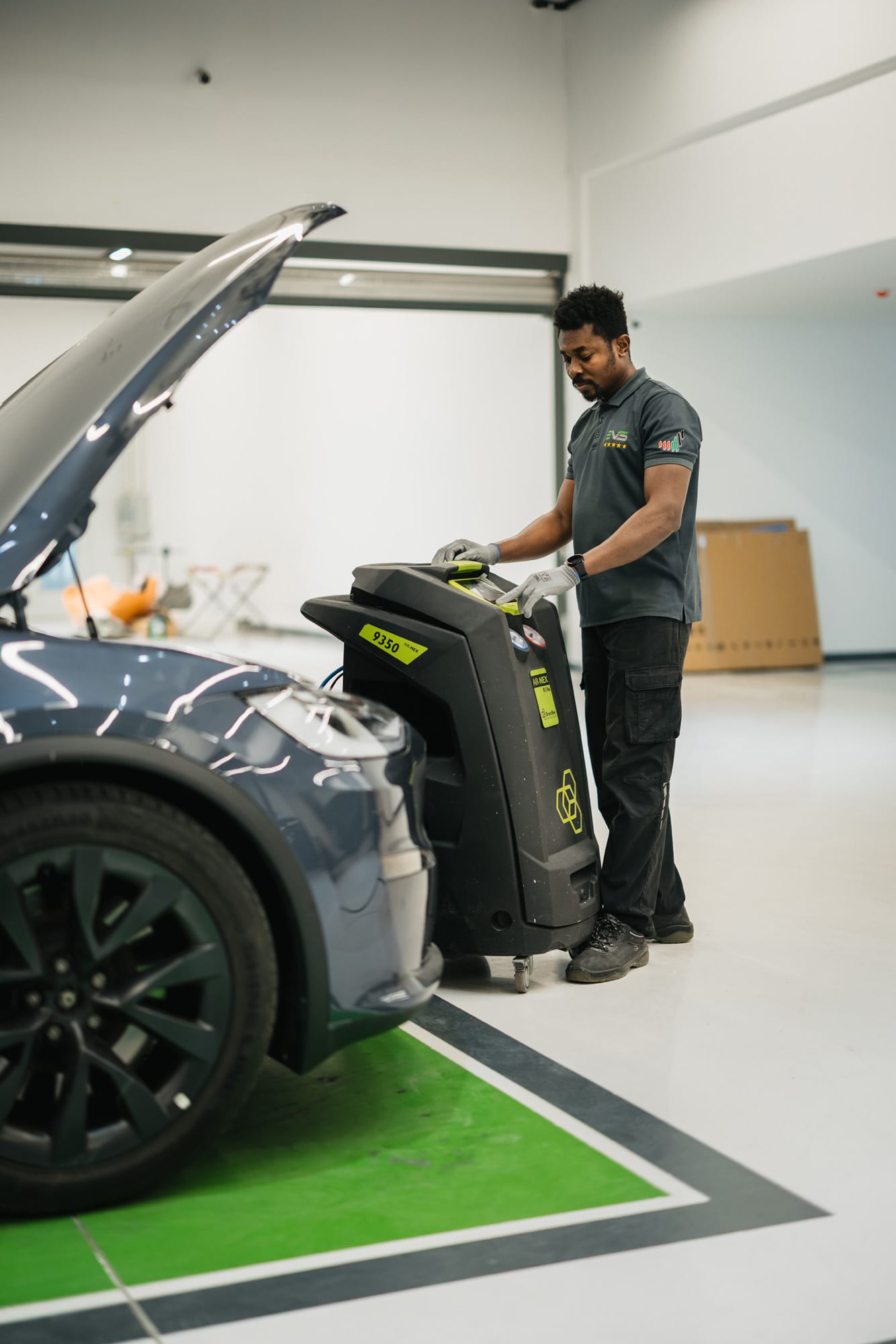
Electric Car Air Conditioning and Thermal Management: Cool Cabin, Healthy Battery
In Oman, a strong air-conditioning system is not a luxury for an electric vehicle owner — it is part of how the car performs day to day. A proper EV air conditioning service does more than make the cabin comfortable; it also supports thermal management for the high-voltage battery, power electronics and other sensitive components.
That matters because electric vehicles do not just cool the people inside the car. They rely on carefully managed temperature control to help protect components, maintain efficiency and support consistent driving performance in hot weather. When the AC or HVAC system starts to struggle, the warning signs can affect both comfort and the health of the vehicle.
Why EV air conditioning matters so much in Oman
In a hot climate, the AC system can be working hard for long periods. For EV drivers, that workload is especially important because the same cooling architecture often supports more than the cabin alone.
Unlike a conventional car, an EV may use linked cooling and heating circuits to help regulate battery temperature, inverter temperatures and other electronics. When everything is operating correctly, the driver mostly notices stable comfort and predictable range. When something is not right, the effect can show up quickly.
This is why EV owners in Oman should think about AC and thermal care as a routine part of ownership, not just a comfort-related repair. A system that is undercharged, clogged, leaking or electrically faulted can affect the vehicle in more than one way.
A well-maintained system can help with:
- Cabin comfort during long summer drives
- Battery temperature control under heavy use
- Protection of connected electrical and thermal components
- More consistent vehicle behaviour in demanding weather
- Reduced stress on the vehicle when charging, driving or parking in high heat
How EV thermal management is different from a normal car AC system
Traditional vehicle AC systems are mainly focused on the cabin. In an EV, the AC system may be part of a wider thermal-management strategy that also supports the battery pack and electronic systems.
That broader role is one reason EV service must be done by specialists. The issue is not just “cold air or no cold air.” It may involve refrigerant condition, compressor performance, sensors, cooling fans, coolant loops, valves, controls, software logic or thermal protection settings.
In practical terms, EV thermal management can affect:
- Battery temperature during driving
- Battery temperature while charging
- Efficiency and comfort of the climate system
- Cooling of electronic control components
- System response when ambient temperatures are high
That is why a symptom that feels like “the AC is weaker than usual” may actually point to a bigger issue. A thorough EV inspection looks at the entire temperature-control picture, not just the vents.
Common warning signs your EV AC or thermal system needs attention
Drivers often notice the first clues before a dashboard warning appears. The earlier you recognise them, the easier it is to reduce stress on the system and get the vehicle checked properly.
One of the most common signs is weak cooling. If the cabin takes longer to cool than it used to, or if the air feels less cold even when the system is set correctly, the system may be underperforming.
Other signs include unusual noises. A compressor, blower, fan or related component that starts making new sounds can indicate wear, control problems or a component that is being pushed harder than normal.
You should also pay attention if the fan seems to run hard for long periods. While cooling systems often work harder in very hot weather, persistent high-speed fan operation can suggest the vehicle is trying to compensate for a thermal issue.
Another important sign is faster-than-usual range drop when the AC is in use. Some range change is normal in hot weather, but a noticeable increase in energy use can indicate the system is working inefficiently or the battery is not being managed as effectively as it should be.
Other warning signs may include:
- Uneven cooling inside the cabin
- Delayed cooling after startup
- Strange smells from vents
- Moisture or drainage issues
- Heat-related warnings on the dashboard
- Reduced performance after repeated fast charging or high-load driving
If these symptoms appear together, it is sensible to arrange a specialist inspection rather than waiting for the problem to become more obvious.
What an EV AC and HVAC service usually includes
A proper EV AC and HVAC service is more than a quick gas top-up. It should be a structured inspection that considers the cooling circuit, electrical control system and the vehicle’s thermal behaviour.
At EVS Oman, EV-focused service work is built around specialist diagnostics and comprehensive care. For air conditioning and thermal systems, that means looking beyond the symptom and checking how the system is actually operating.
A typical specialist service may include:
- System diagnosis using EV-specific equipment
- Inspection for refrigerant or coolant leaks
- Checking compressor operation and control response
- Evaluating cooling fans, sensors and related circuits
- Testing HVAC performance under real operating conditions
- Reviewing thermal-management behaviour tied to battery and electronics
- Checking for fault codes or software-related issues where relevant
Depending on the vehicle, the service scope can also include inspection of components linked to the battery cooling pathway or thermal controls. Not every EV uses the same architecture, which is why a one-size-fits-all approach is not enough.
The goal is to identify the root cause, not just mask the symptom. If the cause is electrical, mechanical, software-related or refrigerant-related, the repair approach should match the actual fault.
Why battery temperature affects range and performance
When people think about EV range, they often focus on battery size or driving style. Temperature, however, is a major factor in how the vehicle behaves.
A high-voltage battery works best within a suitable operating window. If the pack becomes too hot, the vehicle may need to increase cooling effort to protect it. If the system cannot manage heat efficiently, the car may use more energy to keep the battery within a safe range.
That extra effort can show up as reduced efficiency. The vehicle may still be safe to drive, but it can feel less responsive or less economical than expected.
This is also why thermal-management issues can be confusing. An owner may think the battery itself is failing when the real issue is poor cooling, a blocked component, a control fault or another thermal problem that deserves specialist attention.
Healthy thermal management can help support:
- More stable battery temperatures
- More consistent driving and charging behaviour
- Better protection of sensitive EV electronics
- Reduced strain on climate and cooling hardware
- A more predictable ownership experience in hot weather
Simple habits that help your EV stay cooler and work more efficiently
Good maintenance is important, but everyday habits also matter. Small changes in how you use the car can reduce thermal stress and make the system’s job easier.
One of the smartest habits is pre-cooling while the car is plugged in. If the vehicle is connected to power, the AC can help cool the cabin before you start driving without relying as heavily on the battery. That can be especially useful in Oman, where the cabin can heat up quickly in the sun.
It also helps to park in shade whenever possible. A cooler parked vehicle starts with less cabin heat soak, which gives the air-conditioning system a better starting point.
Other useful habits include:
- Setting a comfortable target temperature rather than overworking the system
- Using seat ventilation or cooling features where available
- Keeping filters and vents clear
- Avoiding unnecessary idling with the AC running while stationary for long periods
- Planning charging and driving around the hottest parts of the day where possible
These habits do not replace servicing, but they can reduce the demand placed on the system.
When a software or electrical issue may be the real cause
Not every thermal problem is mechanical. In modern EVs, software and electronic controls can affect how the AC, fans and thermal circuits behave.
A faulty sensor, module or control logic issue can make the system respond incorrectly even if the hardware appears intact. That is one reason specialist EV diagnostics are so important. The symptoms may look like an air-conditioning problem, but the underlying fault can sit in another part of the system.
This is especially relevant when a vehicle cools intermittently, behaves differently after a software change or shows irregular fan activity. In those cases, specialist diagnostics can help determine whether the issue is with the compressor, a sensor reading, a module communication problem or another control-related fault.
Because EVS combines specialist technicians with advanced diagnostics, the focus is on finding the correct fault path before any repair is recommended. That approach helps avoid unnecessary work and gives the owner a clearer understanding of what is happening.
How to tell normal hot-weather behaviour from a real fault
Some change in AC behaviour is normal in Oman, especially during very hot periods. Systems can take longer to cool the cabin, and battery cooling may run more actively in extreme conditions.
The key is whether the system still feels controlled and consistent. If the car cools properly after a reasonable period, and there are no unusual sounds, warnings or sharp efficiency changes, the system may simply be responding to a heavy climate load.
A real fault is more likely when the symptoms are persistent, getting worse or accompanied by other signs. For example, weak cooling plus unusual fan noise plus visible range drop is more concerning than a single hot-day slowdown.
Use these questions as a guide:
- Is the cooling performance clearly worse than before?
- Does the noise sound new or unusual?
- Is the fan running harder than expected for normal driving?
- Is the vehicle using noticeably more energy for cooling?
- Are there warning lights or messages?
If the answer to more than one of these is yes, it is time for a specialist check.
Why specialist EV servicing is the safer choice
Air conditioning in an EV is not just a comfort feature, so it should not be treated like a simple routine garage job. A general repair approach may miss the interaction between the HVAC system, battery thermal management and vehicle software.
A specialist EV service centre is better placed to diagnose high-voltage related systems, understand the vehicle’s controls and check the broader thermal picture. That matters for safety as well as performance.
EVS is built around this kind of specialist care. The brand’s approach focuses on advanced diagnostics, reliable workmanship and comprehensive support for electric and hybrid vehicles. For owners in Oman, that means having a service partner that understands both the vehicle technology and the regional climate.
A practical maintenance mindset for EV owners in Oman
The best way to protect your air conditioning system is to treat it as part of the vehicle’s core health, not an isolated feature. If the cabin is not cooling properly, the battery and electronics may also be under more stress than necessary.
Regular checks, prompt diagnosis and sensible driving habits can make a real difference over time. You do not need to wait for a complete failure to take action.
A practical maintenance mindset looks like this:
- Notice changes early
- Use pre-cooling when plugged in
- Keep an eye on range and fan behaviour
- Arrange specialist diagnostics when symptoms repeat
- Choose EV-trained technicians rather than general guesswork
That approach helps preserve comfort, protect components and support a more reliable EV ownership experience.
FAQ
1) Why does my EV air conditioning affect battery range?
Your EV’s air-conditioning system draws energy from the vehicle, so it can influence range. In hot weather, the system may work harder to cool the cabin and help manage thermal conditions, which can increase energy use. Some range change is normal, but if the drop feels larger than usual, it may be worth having the system checked.
2) What is the difference between EV AC and EV thermal management?
The AC system cools the cabin, while thermal management is the broader process of controlling temperatures for the battery, electronics and related systems. In an EV, these functions can be connected. That means a fault may affect both passenger comfort and vehicle performance.
3) What are the most common signs of a failing EV HVAC system?
The most common signs include weak cooling, unusual noises, the fan running harder than normal, delayed cabin cooling and unexplained range loss when the AC is on. If you also notice dashboard warnings or inconsistent temperature control, a specialist diagnosis is recommended.
4) Is it okay to pre-cool my EV while plugged in?
Yes, pre-cooling while plugged in is one of the most practical habits for EV owners in hot climates. It can reduce the load on the battery and make the car more comfortable before you drive. If your vehicle supports this feature, it is a smart way to manage heat.
5) Do all EV AC problems mean the compressor is broken?
No. A weak AC system can be caused by several issues, including leaks, sensor faults, software problems, control module issues, fan faults or thermal-management concerns. That is why specialist EV diagnostics are important before any repair is started.
Keep your EV cool, protected and ready for Oman’s climate
If your EV is showing signs of weak cooling, unusual fan behaviour or rising energy use, do not ignore it. A timely EV air conditioning service can help protect cabin comfort and support the health of the battery and electronics.
To learn more about EVS Oman and specialist electric vehicle care, visit https://evsoman.com/ or get in touch via the contact page at https://evsoman.com/contact. If you are ready to start a conversation, use the official WhatsApp booking link at https://wa.me/96897591111.