

After an Accident: Repairing an Electric Car and Handling the Insurance Claim in Oman
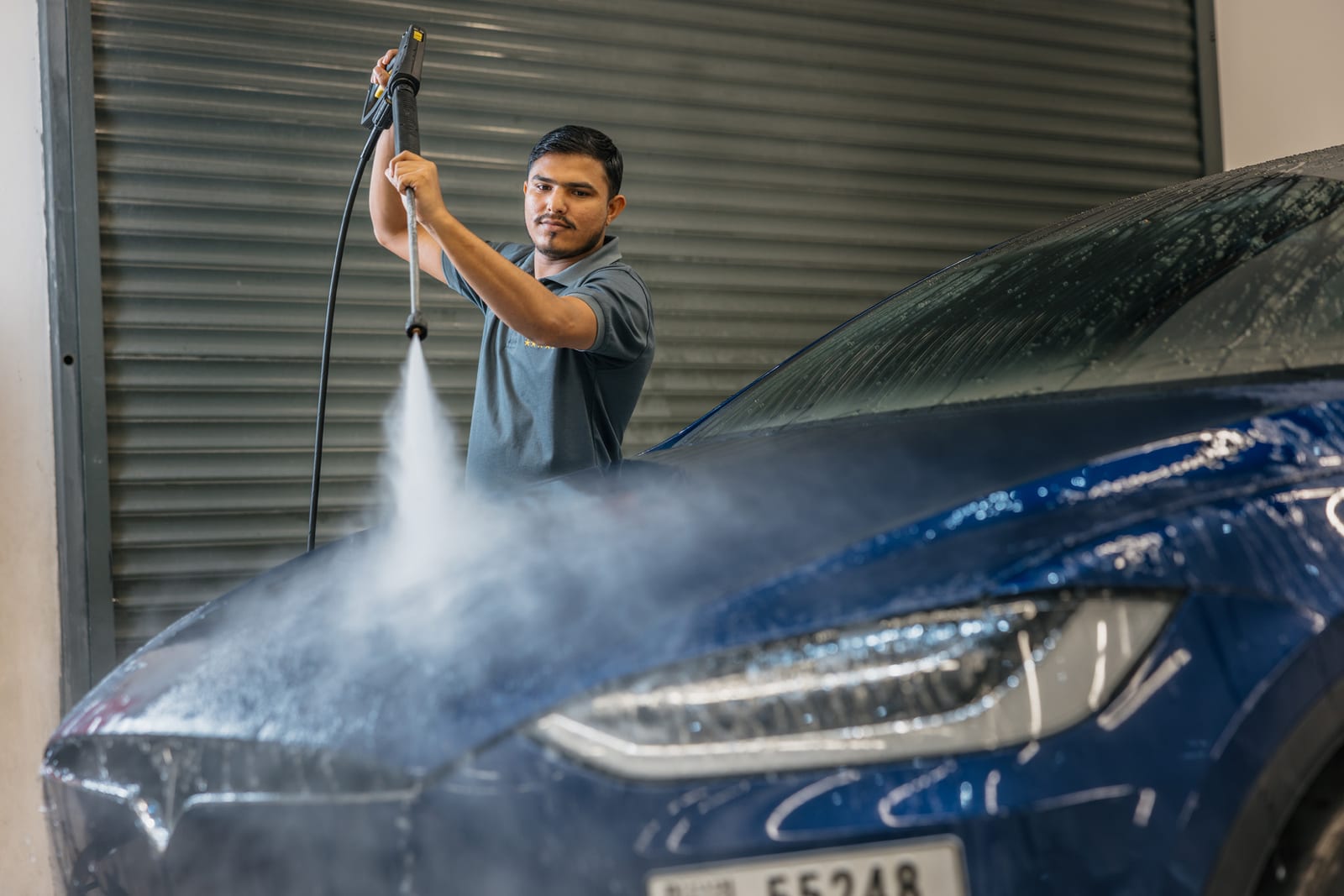
After an Accident: Repairing an Electric Car and Handling the Insurance Claim in Oman
A collision can leave any driver feeling unsettled, and the process can feel even more complex when you are dealing with an EV. If you are searching for electric car accident repair Oman, the first thing to know is that an electric vehicle needs more than a visual body inspection after a knock, scrape, or impact. Even a minor accident can affect high-voltage components, sensors, cameras, wiring, calibration, and safety systems that are not always obvious at first glance.
That is why the best next step is a calm, specialist approach. Instead of guessing what is or is not damaged, the vehicle should be assessed by technicians who understand EV systems, high-voltage safety, and the repair sequence required after an accident. EVS Oman brings specialist electric and hybrid vehicle expertise together with a practical, repair-focused process designed to help owners move from shock and uncertainty to clear next steps.
Why EV accident repairs need specialist attention
An EV is not just a petrol car with a battery instead of an engine. Its structure, electronics, power distribution, driver-assistance systems, and thermal management are all tightly interconnected. That means a collision can create issues that do not show up on the surface, especially if the impact reached the bumper, wheel area, underside, charging port side, or camera/sensor zones.
A bumper scuff might look minor, but behind that panel may sit parking sensors, radar modules, wiring harnesses, or camera systems that need checking. A small impact near the floor or side of the car may also raise questions about the battery enclosure, underbody protection, or connected high-voltage pathways. In an EV, specialist diagnosis is not an extra luxury; it is part of safe and accurate repair.
This is one reason EVS positions its work around correct diagnosis, safety, reliable workmanship, and total vehicle care. A proper EV assessment is designed to reduce guesswork, identify the full repair scope, and avoid the risk of fixing only the visible damage while missing a deeper fault.
What to do immediately after a collision
The first moments after an accident are about safety, not speed. If everyone is safe and the situation is stable, move through the basics carefully and avoid trying to test the car immediately.
A useful post-accident checklist for EV owners is:
- Check whether anyone needs medical assistance first.
- Move the vehicle only if it is safe and permitted to do so.
- Avoid driving if the car shows warning lights, strange noises, smoke, heat, or loss of power.
- Do not plug in the vehicle to charge until it has been inspected if the impact affected the rear, side, or charging area.
- Take photos of the scene, vehicle positions, visible damage, road conditions, and any warning lights on the dashboard.
- Keep any documents related to the incident, including policy details and claim references.
It is also important not to assume that because the car still starts, everything is fine. Some EV faults are delayed, intermittent, or hidden by software until a later diagnostic scan reveals them. A vehicle that appears drivable may still have safety systems or high-voltage components that need expert review.
Why a minor knock can still affect high-voltage systems
Many owners think only severe accidents can damage an EV battery or powertrain. In reality, smaller impacts can still affect surrounding systems in ways that matter. The battery pack itself is heavily protected, but connected components around it are still vulnerable, including wiring, cooling lines, sensors, connectors, mounting points, and control units.
The concern is not only direct battery damage. A light collision can trigger sensor faults, module communication errors, alignment issues, or hidden damage to brackets and internal supports. If an impact shifts a wheel, suspension point, or underbody panel, that can create changes in ride behaviour, steering feel, or warning messages that only appear after the car begins moving again.
That is why EV accident repair starts with a specialist inspection rather than a quick cosmetic fix. Technicians look beyond scratches and dents to identify whether the accident changed how the car communicates, senses, charges, steers, or protects itself.
What a damage estimate should cover
A damage estimate is more than a price list. It is a structured assessment of what has been affected, what needs repair or replacement, and what further checks may be necessary before work begins. For insurance purposes, it also helps create a clear record of the damage and the proposed repair scope.
For electric vehicle accident repair, a professional estimate may include:
- Visible body damage such as panels, bumpers, trims, lights, and mirrors
- Structural or alignment concerns after impact
- Electrical and electronic fault checks
- Sensor and camera inspection
- Brake, suspension, and wheel-area checks if the impact involved the side or corner of the car
- EV-specific safety assessment for high-voltage related areas
- Notes on whether further diagnostic work is required before final repair approval
A good estimate should be transparent about what has been confirmed and what still needs investigation. It should not overpromise outcomes or assume every issue can be solved in one step. In a specialist EV repair environment, the goal is to give the owner and insurer a clear, practical picture of the vehicle’s condition.
The role of sensor and camera realignment after repairs
Modern EVs often rely on cameras, parking sensors, and other driver-assistance systems. After body repair, glass replacement, bumper repair, or collision work, these systems may need realignment or recalibration to operate correctly.
This matters because even a perfectly repaired panel can still leave a camera pointing slightly off-centre or a sensor reading inaccurately. If the car has a reversing camera, parking sensors, or other supported assistance systems, their accuracy should be checked after the damage is repaired. In some cases, a warning may appear immediately. In others, the system may continue working but with reduced reliability.
Sensor and camera realignment helps restore the vehicle’s confidence and the driver’s confidence. It is an important part of modern electric car accident repair Oman, because body work and electronic calibration now go hand in hand. A vehicle should be inspected as a complete system, not just as an exterior shell.
How insurance claims usually fit into the repair process
Once the vehicle has been assessed, the insurance claim process typically becomes the next focus. The exact process depends on your policy and the local rules that apply, so it is always important to check your coverage carefully. What matters most is submitting accurate information and keeping the paperwork organised.
In practical terms, the claim path often involves:
- Recording the incident and gathering evidence.
- Arranging a damage estimate from the repair centre.
- Submitting the estimate and required documents to the insurer.
- Waiting for claim review, approval, or questions from the insurer.
- Confirming the repair scope before work starts.
- Completing any additional inspections if the insurer or workshop needs them.
- Finalising payment arrangements, which may include direct billing where available and approved.
Good paperwork helps keep the process moving. Clear photos, a detailed estimate, and consistent vehicle information reduce the chances of avoidable back-and-forth. It also helps the owner understand what is covered, what may be excluded, and whether the policy requires specific repair steps.
How EVS Oman can help with paperwork and coordination
After an accident, many owners want one reliable place to help them understand the damage and organise the next steps. EVS Oman supports that process by combining specialist EV knowledge with repair coordination and claim-related assistance.
For customers, that means the conversation can begin with the vehicle condition, not just the accident story. The workshop can help document the visible damage, identify EV-specific concerns, and prepare the information needed for claim handling. This is especially useful when the vehicle may need both mechanical and electronic attention.
EVS also helps reduce the stress of dealing with multiple moving parts at once. Rather than treating body damage, diagnostics, calibration, and claim paperwork as separate issues, the process is managed in a more joined-up way. That approach matters in electric vehicles, where one accident can affect several systems at the same time.
When direct billing can make the process easier
In some cases, a repair centre can coordinate direct billing with participating insurers once the claim has been approved. This does not apply in every situation, and it depends on insurer participation, policy terms, approval status, and local arrangements. You should always confirm the details for your own policy before relying on this option.
When direct billing is available, it can simplify the customer experience. Instead of handling the full payment flow personally and then seeking reimbursement, billing is coordinated more directly between the workshop and the insurer. That can reduce admin pressure and help focus attention on the repair itself.
For EV owners, the practical value is not just convenience. It also creates a cleaner handover between claim approval and repair authorisation, which matters when the vehicle requires specialist diagnostic work, replacement parts, calibration, or a staged repair plan.
Why body repairs and EV systems must be checked together
One of the biggest mistakes after an accident is treating bodywork as the only issue. On an EV, a damaged bumper may also hide broken clips, harness issues, sensor faults, or camera alignment problems. A wheel impact may affect steering, suspension, and wheel alignment at the same time. A rear-end hit may involve charging hardware or wiring near the back of the car.
That is why specialist repair planning is so important. Instead of asking only, “What panel needs repainting?”, the better question is, “What systems were affected by the impact?” That broader approach protects both safety and long-term performance.
It also helps avoid repeat visits. If hidden damage is discovered only after the bodywork is completed, the owner may face extra delays and extra admin. A thorough initial assessment reduces that risk and gives everyone a clearer repair roadmap.
A calm checklist for EV owners in Oman after a collision
If you are dealing with an accident now or preparing in case one happens later, it helps to have a simple checklist in mind. Calm, careful action usually leads to a better outcome than rushing.
Here is a practical sequence to follow:
- Prioritise safety and check for injuries.
- Gather photos and basic incident information.
- Avoid charging or driving the car if there is any sign of electrical or high-voltage concern.
- Arrange a specialist inspection as soon as practical.
- Request a damage estimate that includes EV-specific checks.
- Review your policy and claim requirements carefully.
- Keep all correspondence and reference numbers organised.
- Confirm whether direct billing is available with your insurer before assuming it applies.
This simple structure can make a difficult day feel more manageable. It also helps ensure the vehicle is handled by the right people from the start.
FAQs about electric car accident repair in Oman
Do I need a specialist workshop after a minor EV accident?
Yes, it is usually wise to use a specialist workshop for an EV collision check, even if the damage looks minor. Electric vehicles can hide issues in their sensors, wiring, alignment, or high-voltage-related systems that are not visible from the outside. A specialist assessment helps identify those problems before they become bigger or more expensive to deal with.
What is included in an EV damage estimate?
A proper EV damage estimate usually covers visible body damage, possible structural concerns, electronic fault checks, and any follow-up diagnostics needed to confirm the repair scope. If the accident may have affected sensors, cameras, or wheel alignment, those items should also be included or flagged for further inspection. The estimate should clearly show what is confirmed and what still needs checking.
Why would my EV need sensor or camera realignment after body repair?
Because modern EVs rely on these systems for parking, visibility, and driver assistance. If a bumper, mirror, glass panel, or surrounding mounting area is repaired or replaced, the camera or sensor position can change slightly. Realignment or recalibration helps restore accurate operation and reduces the risk of incorrect readings.
Can EVS Oman help with insurance paperwork?
EVS Oman can assist with the repair documentation and coordination process so the claim is easier to manage. That said, you should always check your own policy and the local rules that apply, because claim approval and coverage depend on the insurer and the terms of your policy. The aim is to make the process clearer and more organised, not to replace insurer decisions.
Is direct billing always available after an accident?
No. Direct billing depends on participation by the insurer, claim approval, policy terms, and local arrangements. It is best to confirm whether it applies in your case before assuming the workshop can bill the insurer directly. If available, it can make the repair process simpler for the owner.
Can I drive my EV after a collision if it still works?
Not always. Even if the car appears to drive normally, there may be hidden faults, safety issues, or high-voltage concerns that are not obvious yet. If there are warning lights, unusual noises, fluid leaks, a damaged charging area, or changes in steering or braking, it is better to have the vehicle checked first.
The safest next step after an EV accident
After a collision, what you want most is clarity: what is damaged, what needs repair, what the insurer needs, and how long the process may take. With an EV, that clarity only comes from a specialist inspection that considers the full vehicle, not just the visible panels.
If you are dealing with electric car accident repair Oman, EVS Oman can help you move from uncertainty to a clear plan with specialist diagnostics, damage estimation, sensor and camera realignment support, and insurance claim coordination where applicable. For local contact and next-step support, visit the EVS Oman contact page at https://evsoman.com/contact or use the WhatsApp booking link at https://wa.me/96897591111.
When you are ready, Learn More About EVS Oman and take the first step toward a proper specialist assessment.